Voice AI for Business: How Autonomous Agents Are Eliminating the 30–40% Revenue Cost of Missed Calls
Picture this: it's 7 p.m. on a Tuesday, your local business phone rings insistently in a darkened office. A potential customer with an urgent need—perhaps a leaking pipe or a toothache—hangs up, frustrated, and dials your competitor instead. That single missed call? It's not just an annoyance; it's part of a staggering 30–40% revenue hemorrhage that plagues small businesses, according to industry benchmarks from call analytics firms. In the high-stakes world of voice AI for business, autonomous voice agents are rewriting this script, turning dead rings into booked appointments and loyal customers.
For local business owners, marketers, and agency operators, the phone remains the lifeblood of communication. Yet, traditional setups crumble under after-hours demands, staff overloads, and human error. Enter autonomous voice agents: AI-powered systems that don't just answer calls—they converse, qualify leads, and close deals with human-like fluency. This isn't science fiction; it's the new standard in AI phone answering, slashing those revenue-killing misses while scaling effortlessly.
The Hidden Revenue Drain: Why Missed Calls Cost 30–40% of Your Bottom Line
Missed calls aren't random flukes; they're systemic killers. Data from telephony providers reveals that small businesses miss up to 40% of inbound calls during peak hours, with after-hours losses pushing that figure higher. Each unanswered ring translates to lost leads—$500 in average HVAC service revenue here, $300 in dental consultations there. Multiply by volume, and you're staring at tens of thousands evaporated annually.
Local business communication demands immediacy. Customers expect instant responses, especially in service industries where delays mean disasters. Hiring 24/7 receptionists? Prohibitively expensive at $40,000+ per year per employee. Voicemail? Conversion rates plummet below 5%. The math is merciless: reclaim those calls, and revenue surges without proportional cost increases.
From Rigid IVR to Autonomous Voice Agents: A Game-Changing Evolution
Ditching the Button-Pressing Frustration
Remember pressing 1 for sales, 2 for support? Basic IVR systems—those endless menu mazes—handle volume but alienate callers with their robotic rigidity. No nuance, no empathy, zero adaptability. Autonomous voice agents, powered by advanced large language models, shatter these limits. They listen, understand intent, and respond in natural conversation, booking appointments or troubleshooting issues on the fly.
In the realm of AI call handling, autonomy means zero human oversight for routine interactions. These agents scale infinitely, operating 24/7/365 across any volume, all while learning from each call to refine performance.
The Shift Away from Costly Answering Services
Outsourced answering services promised relief but delivered diminishing returns: scripted responses, $1–$2 per minute fees, and handover gaps leading to 20–30% drop-offs. Autonomous agents eliminate these middlemen, costing pennies per call while delivering 90%+ resolution rates. It's not augmentation—it's replacement, with seamless escalation to humans only when truly needed.
Real-World Wins: HVAC and Dental Industries Lead the Charge
Consider HVAC firms, where emergencies don't clock out. An autonomous agent fields a midnight furnace failure call: it gathers symptoms, confirms service area, quotes ballpark pricing, and books a slot—all in under two minutes. Result? 35% uplift in after-hours bookings, per deployment reports from similar systems.
- Qualifies urgency: "Is there smoke or just no heat?"
- Upsells maintenance plans mid-conversation.
- Integrates weather data for proactive scheduling.
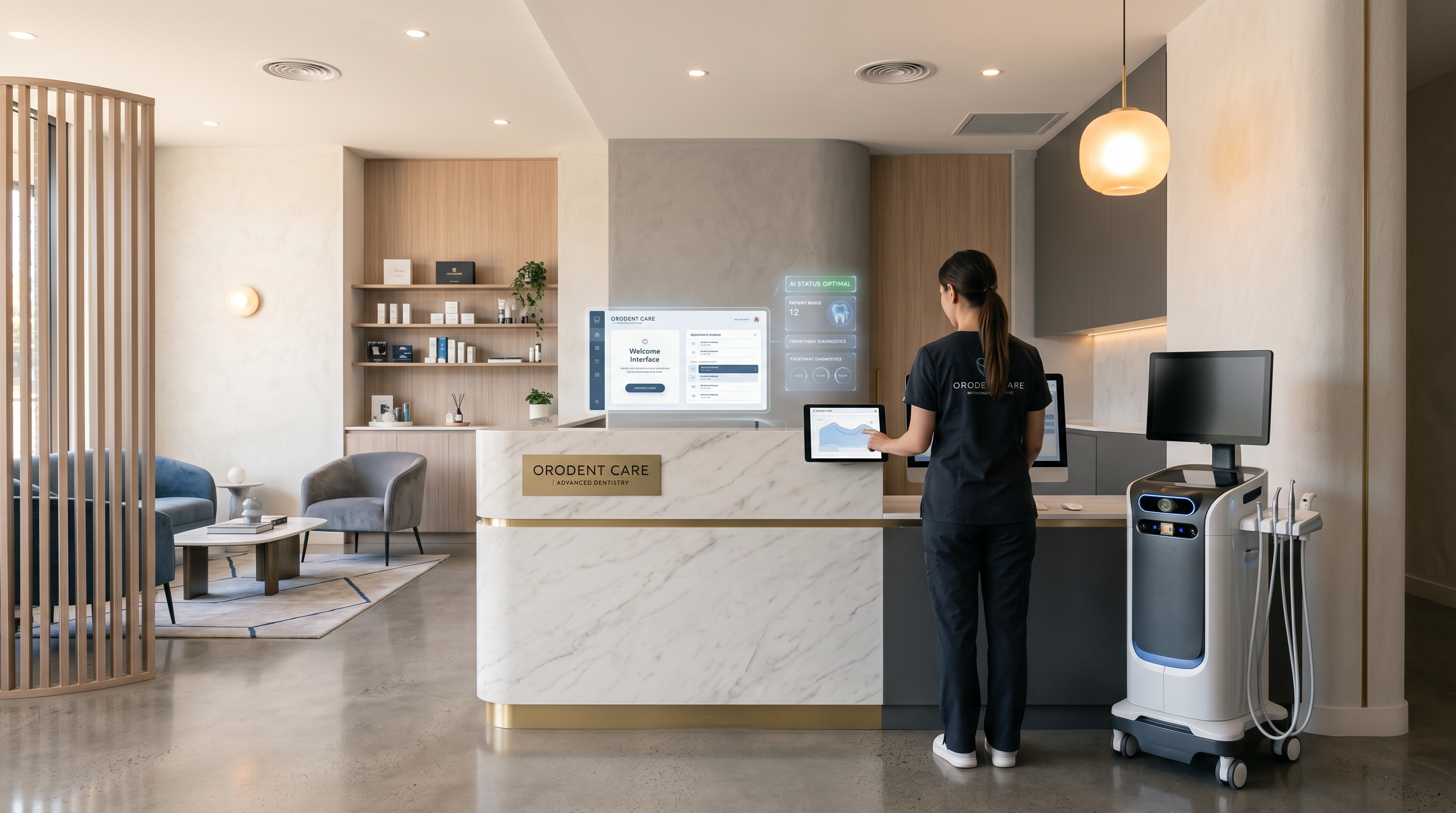
Dental practices face constant appointment churn. Here, AI phone answering shines by handling reschedules, new patient intakes, and pre-visit prep. One agent might confirm insurance on the spot, reducing no-shows by 25% through smart reminders. Patients rave about the "friendly receptionist who never sleeps," boosting satisfaction scores.
Seamless CRM Integration: The Backbone of Smart Local Business Communication
True power lies in connectivity. These agents plug directly into CRMs like HubSpot, Salesforce, or Pipedrive, logging calls as rich data packets: transcripts, sentiment analysis, next actions. No manual entry; leads flow straight to sales pipelines. For marketers, it's gold—track call sources, A/B test scripts, and attribute revenue precisely.
In local business communication, this means personalized follow-ups: "Thanks for calling about your AC, John—here's your quote." Conversion rates climb 40–50%, as agents nurture leads autonomously.
Embrace AI Autonomy: The Future Is Ringing
Voice AI for business isn't a trend—it's the extinction event for missed opportunities. By deploying autonomous voice agents, you're not just answering calls; you're architecting revenue machines that work tirelessly. Local business owners and agency operators, the question isn't if, but when you'll plug in.
Dive deeper into this AI & Autonomy revolution at AscendsOp's Voice AI hub. Your next call could be the one that changes everything.