Roofing Operational
Infrastructure
Lead overflow during storm season shouldn't mean lost revenue. Connect into infrastructure driven systems that handle the surge so your business can scale when the market peaks.
The Operational Reality
Roofing businesses often peak in volume exactly when their operations are most fragile.
In the roofing industry, storm season is the ultimate test of operational strength. When a major weather event occurs, local operators are flooded with quote requests, phone calls, and insurance inquiries. Without infrastructure, this lead surge quickly turns into a bottleneck, leading to delayed estimates and inconsistent follow up.
While storm chasers move in with aggressive sales tactics, local roofing companies often lose out because they simply cannot respond fast enough. Scaling crews is difficult enough; scaling your backend operations to handle a 10x increase in volume shouldn't be your job.
The operational pressure of scaling a roofing business often leads to chaos in the claims process and a breakdown in homeowner communication. Modern operators recognize that the only way to win during storm season is to connect into infrastructure that handles the triage so you can focus on the production and the people.
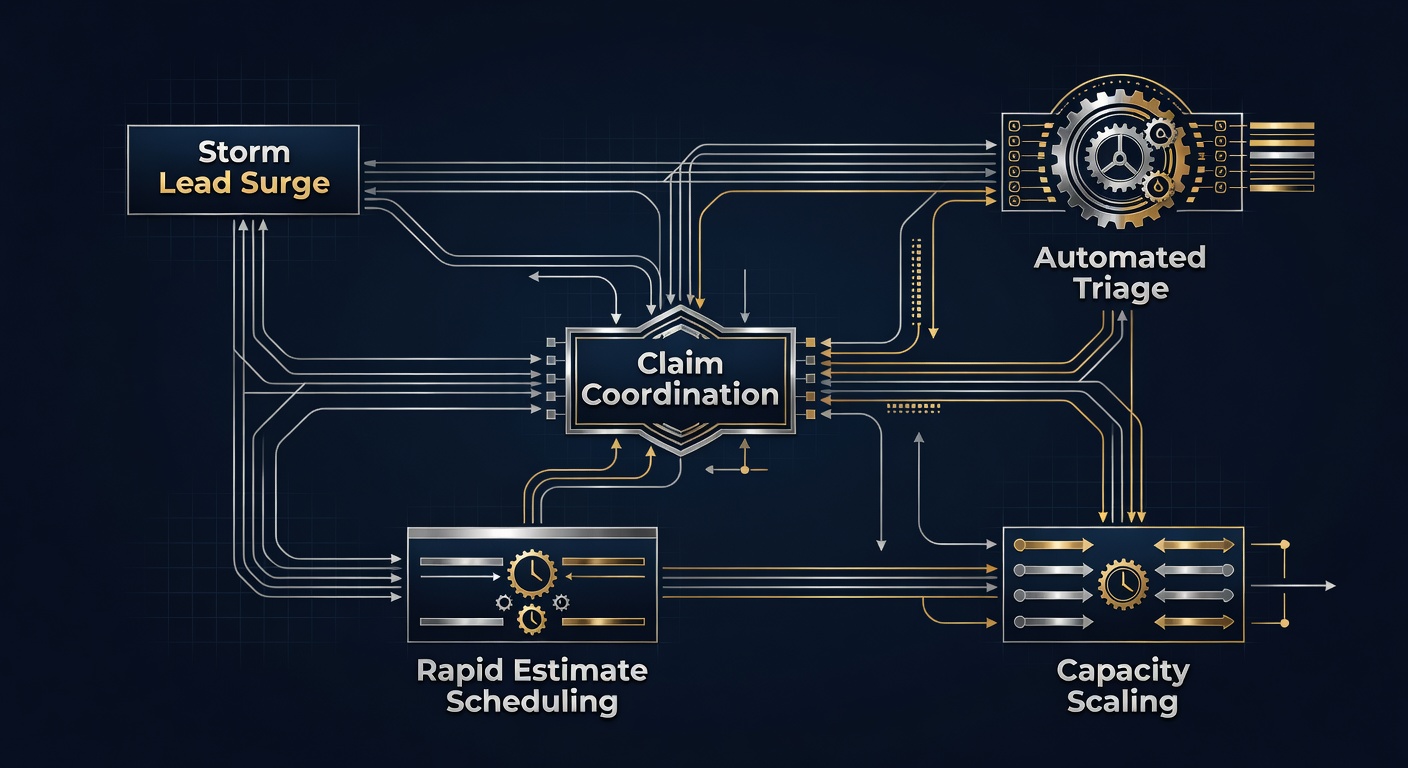
Infrastructure Driven Scale
What Infrastructure Changes
Moving from reactive storm response to systematic operational control.
Connecting into infrastructure changes the fundamental nature of your roofing business. When a storm hits, the triage happens automatically. Leads are qualified, damage reports are organized, and inspection times are scheduled without a single manual phone call required.
This infrastructure provides the backend support required to handle insurance claim coordination systematically. Every homeowner receives a consistent communication flow, keeping them informed of their project status even when your crews are at maximum capacity.
The ecosystem provides the foundation for scalable roofing operations that flex with the weather. Instead of struggling with administrative drag, the operator gains access to infrastructure that handles the intake, allowing them to focus on high value strategy and project management.
Key Operational Insights
Four ways infrastructure changes the trajectory of a roofing business.
Storm Season Surge Management
When a storm hits, lead volume can increase 10x overnight. Infrastructure absorbs this surge, qualifying leads while your crews stay focused on the roofs.
Speed Of Response Wins The Roof
Homeowners often call multiple roofers after a storm. The first rooper to provide a professional response and schedule an inspection wins the trust.
Consistent Communication Builds Trust
Roofing is a high trust purchase. Autonomous infrastructure maintains a consistent communication cadence with homeowners from first contact to project completion.
Systems Scale When Crews Cannot
Scaling a roofing company is limited by your crews, but your operations shouldn't be. Infrastructure handles the management load so you can focus on production.
Manual Roofing vs Infrastructure Driven Ops
Contrasting traditional roofing management with the power of modern autonomous systems.
Manual Operations
Infrastructure Driven Operations
Speed To Lead In The Storm
Why the first local roofer to respond is the one who wins the community trust.
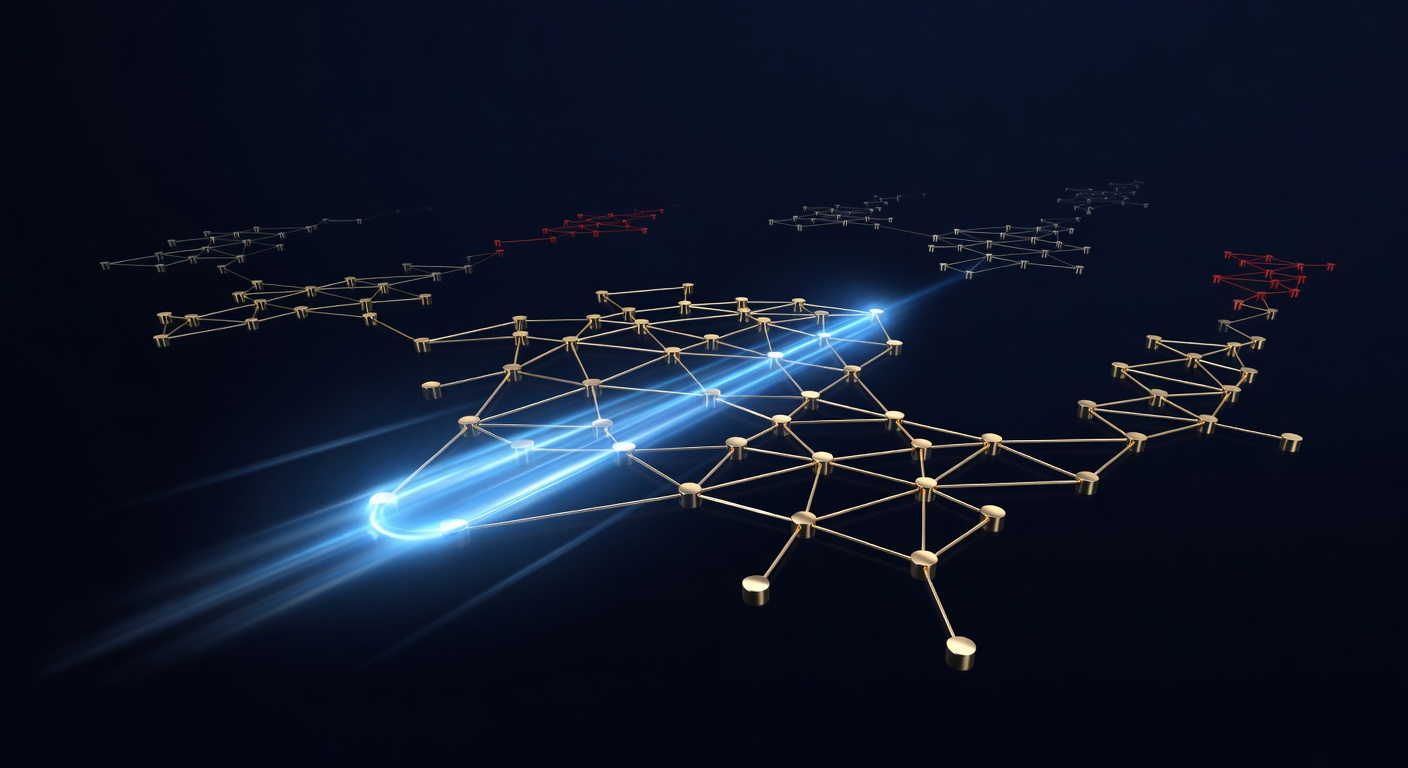
Storm season creates urgency. Speed of response determines who gets the roof.
In the wake of a storm, a homeowner is anxious and often overwhelmed. They aren't just looking for a roof repair; they are looking for a reliable partner who can guide them through the process. The longer it takes for you to respond, the more likely they are to feel neglected and move on to the next operator.
Infrastructure ensures that you are always the first to respond. By connecting into autonomous systems, your business provides immediate validation to the homeowner's inquiry, qualifying the damage and setting expectations within minutes. This immediacy is what separates the modern local operator from the traditional contractor.
Roofing Operational FAQ
Common questions about connecting roofing businesses to autonomous infrastructure.